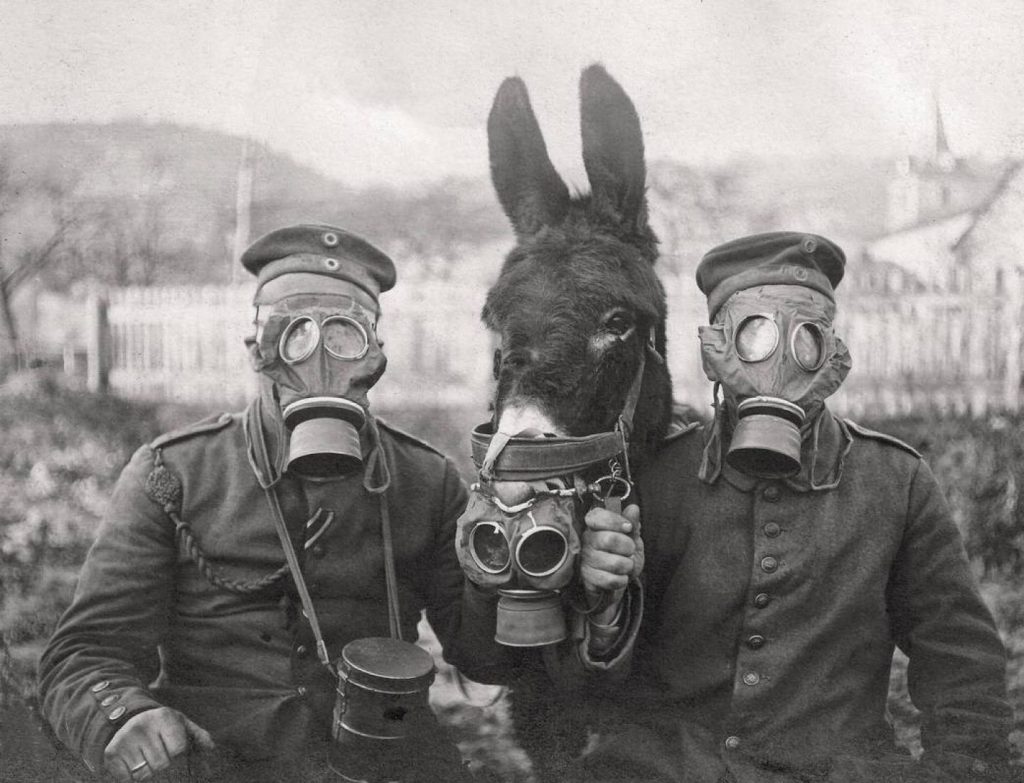

Today is the start of Holy Week. Today Palm Sunday is the day the church remembers that hope and confusion can ride into town on the same donkey.
I learned today that the word Hosanna was not, originally, a word of praise. It was a cry of desperation. Hoshia na — Hebrew for save, please or save now. It was the sound of a people at the end of their rope, reaching for something they could not name but knew they needed. By the time of Jesus it had become liturgical, formalized, part of the temple worship — but underneath the liturgy the raw plea was still audible. We need rescue. We are not okay. Someone, please.
I hear that sound everywhere in America this spring. I hear it in friends and family who were in the streets this weekend. I hear it in the voices of the other people who marched this past weekend. People who are genuinely frightened, who believe that something essential is being dismantled, who came out with their signs because staying home felt like surrender. Save us now. They may not say it in those words. They may not say it in any religious language at all. But the cry underneath the chant is recognizable. Not because the protesters are wrong — some of their concerns are legitimate and deserve serious policy debate. Not because the administration is blameless — the concentration of executive power is a genuine constitutional question regardless of which party is doing it.
I hear it also in the voices of the people who watched those protests with contempt or bewilderment or quiet fury people who feel that their country has been called irredeemable, their faith has been mocked, their legitimate concerns have been dismissed as bigotry for so long that they have stopped trying to be heard. Save us now. Different politics. Same ache.
This is what Palm Sunday holds: not the resolution of that ache, but its honest acknowledgment. The crowd was not wrong to cry out. Jesus did not rebuke them for their longing. When the Pharisees told him to silence his disciples, he said if they keep quiet, the stones will cry out. The longing for justice, for peace, for a world set right that longing is not a mistake. It is, the tradition insists, planted in us by the one who intends, eventually, to satisfy it.
What Palm Sunday reveals is the gap between what we think salvation looks like and what it actually is. The crowd expected a conqueror. They got a servant who, within the week, would be on his knees washing the feet of the men who would betray and abandon him. They expected the overthrow of Rome. They got the overthrow of death itself — which is a much larger project, on a much longer timeline, and far less satisfying to watch in real time.
I think America is living in that gap. We know something is wrong. We are not wrong to know it. The institutions that are supposed to protect the weak are strained. The social fabric that is supposed to hold neighbors together is fraying. The capacity for self-governance which requires, at minimum, the willingness to regard your opponent as a fellow citizen rather than an enemy is eroding in ways that should alarm everyone regardless of party.
American political life in 2026 has the texture of Palm Sunday the passionate crowds, the absolute certainty, the sense that history is at a hinge point and that the right side must prevail or all is lost. And it has that texture on both sides of the divide. The “No Kings” marchers are certain. The people who didn’t march, who watched from their living rooms with contempt or anxiety, are equally certain. Each side has its own Hosanna, its own enemy, its own story about who the oppressor is.
The problem with American Christianity right now on both sides of this divide is that we have domesticated that claim. We have turned the empty tomb into a mascot for our political preferences. The left-leaning Christian marches for justice and quietly assumes Jesus would carry the same sign. The right-leaning Christian wraps the flag around the cross and mistakes patriotism for piety. Neither is entirely wrong. Both are mostly using Jesus as a hood ornament. is.
And we are, most of us, crying Hosanna toward the wrong deliverer.
The church enters Holy Week on Sunday carrying palm branches and the knowledge of what comes next The betrayal, the trial, the silence of God on Friday, the impossible reversal on Sunday morning. It is not a comfortable week. It was not designed to be. It is designed to break open the story we tell ourselves about how power works and what rescue looks like and who, finally, is in charge.
What neither side has and what America has largely lost is the capacity to hold its political convictions with any humility at all. This country needs that breaking open. Not the breaking open of violence or chaos we have enough of both. The breaking open that comes from sitting with the full weight of Friday before reaching for the joy of Sunday. The breaking open that comes from admitting that our Hosannas have been aimed, too often, at men who cannot save us and movements that will not hold.
He came on a donkey. He wept over the city. He served the ones who failed him. Save us. Please. Not the way we’re asking.
 Reflections Of A Gasbag